.webp)
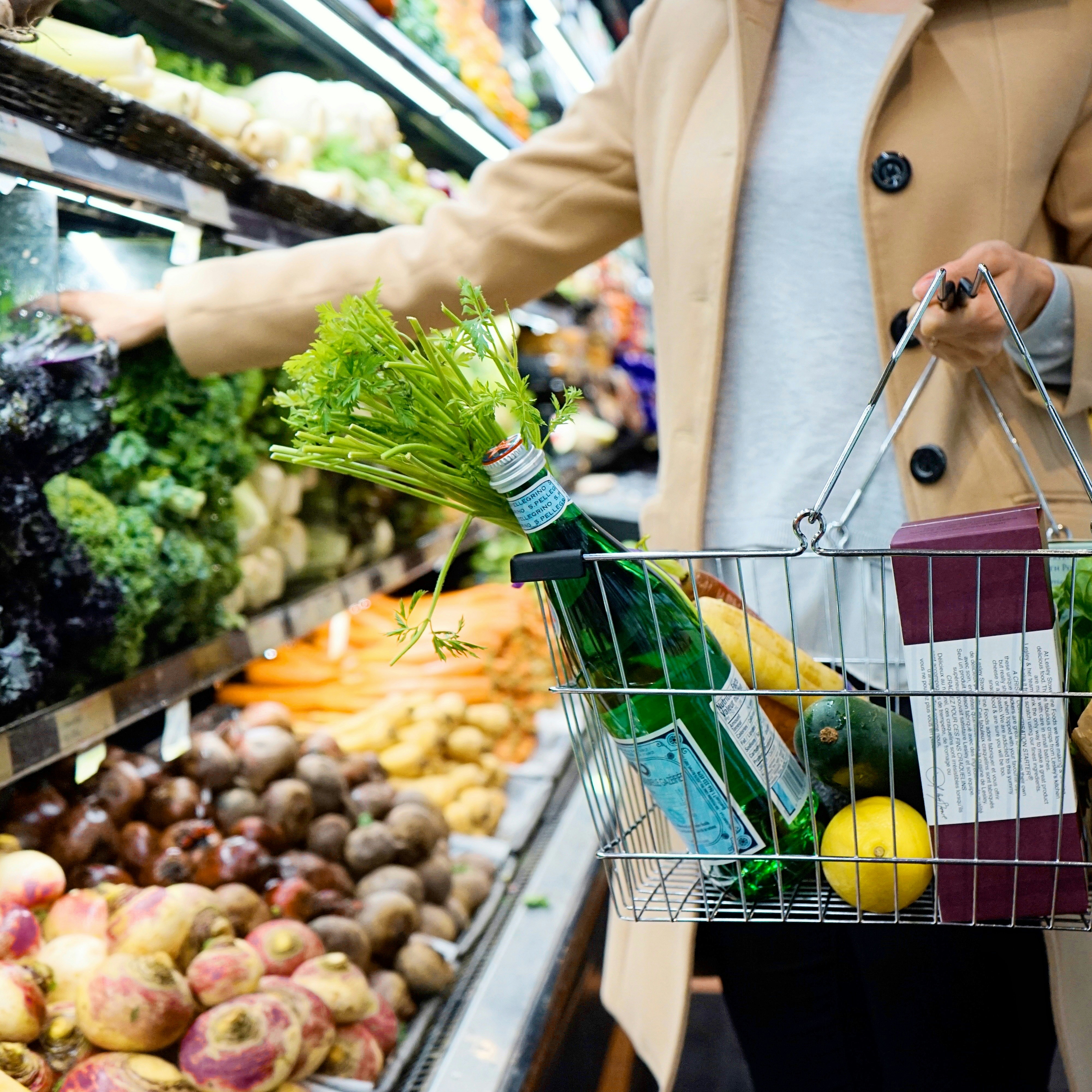
Most people approach grocery shopping the same way they approach fitness nutrition: backwards.
They wander the aisles looking for "healthy" options. They buy whatever's on sale. They grab the same things they always buy. They stand in front of shelves reading labels and feeling confused.
Then they get home and realize they don't have ingredients for actual meals. So they order takeout, eat whatever's convenient, and wonder why their training stalls.
You can't out-train poor nutrition, and you can't eat well with a poorly stocked kitchen. At Longma Fitness, we teach members that strategic grocery shopping is the foundation of fueling your training effectively.
The Strategy Before You Shop
"Failing to plan is planning to fail."
Step 1: Plan Your Week (10 Minutes)
Before you shop, know what you're shopping for.
Simple weekly template:
- Breakfast: 2-3 options you'll rotate
- Lunch: 2-3 options you'll rotate
- Dinner: 3-4 options you'll rotate
- Snacks: 2-3 go-to options
You don't need 21 different meals. You need a few reliable options you'll actually prepare.
Step 2: Build Your Shopping List
Never shop without a list. Ever.
Organize by category:
- Protein sources
- Carbohydrate sources
- Vegetables and fruits
- Healthy fats
- Pantry staples
- Snacks
Pro tip: Keep a running list on your phone. When you run out of something or think of something you need, add it immediately.
Step 3: Shop After Eating
Shopping hungry guarantees you'll buy things you don't need and make poor decisions. People who shop hungry spend 64% more and purchase significantly more unhealthy items.
Eat a meal, then shop. Not the other way around.
The Protein-First Shopping Strategy
Start with protein. Everything else fills in around it.
Quality Protein Sources to Stock:
Poultry: Chicken breast, chicken thighs, ground turkey, rotisserie chicken (convenience option)
Beef: Ground beef (93/7 or 90/10 lean), sirloin or flank steak
Fish and Seafood: Salmon (fresh or frozen), tilapia or cod, shrimp (frozen), canned tuna or salmon
Eggs and Dairy: Whole eggs, Greek yogurt, cottage cheese, string cheese
Plant-Based: Tofu or tempeh, canned beans, lentils
How much to buy: Calculate 0.7-1g protein per pound of body weight daily. If you're 150 lbs and need 120g protein daily, plan for about 17 oz of protein per day across all meals (1 oz = ~7 grams of protein).
Pro tip: Buy protein in bulk and freeze portions. Chicken breasts, ground beef, and fish freeze well and thaw quickly.
Carbohydrates for Performance
Remember: Carbs fuel your training. Don't fear them.
Quality Carbohydrate Sources:
Starches: White or brown rice (buy in bulk), sweet potatoes and regular potatoes, oatmeal, quinoa, whole grain bread, pasta
Fruits: Bananas (pre/post-workout fuel), berries (frozen work great), apples, oranges, whatever's in season
Other: Rice cakes, tortillas, beans and lentils (carbs + protein)
How much to buy: If you train 3-4 days per week at moderate intensity, plan for 150-200g carbs on training days. That's roughly 4-6 servings of starches plus 2-3 servings of fruit daily.
Vegetables: The Non-Negotiable
Target: 3-5 servings daily. Buy vegetables you'll actually eat.
The Strategy: Mix Fresh and Frozen
Fresh vegetables (eat first): Spinach or mixed greens, broccoli, bell peppers, cucumbers, tomatoes, onions and garlic
Frozen vegetables (always have backup): Mixed vegetables, broccoli florets, cauliflower rice, stir-fry blends, green beans
Why frozen matters: When you run out of fresh options or don't feel like cooking, frozen vegetables in the microwave for 3 minutes beats ordering takeout.
Pro tip: Pre-cut vegetables cost more but save time. If paying extra means you'll actually eat them, it's worth it.
Healthy Fats (But Don't Overthink It)
You need some fat, but you don't need to obsess over it.
Cooking: Olive oil, avocado oil, butter or ghee, cooking spray
Additions: Avocados, nuts (pre-portioned bags), nut butters, seeds
Note: You'll get fat from protein sources (eggs, beef, salmon) and cooking oils. You don't need to add a lot beyond that.
Pantry Staples That Make Everything Easier
These items turn basic ingredients into actual meals:
Seasonings: Salt and pepper, garlic powder, onion powder, chili powder, cumin, paprika, Italian seasoning, soy sauce or tamari, hot sauce
Basics: Olive oil, rice, pasta, oats, canned beans, canned tomatoes, stock or broth
Protein Backup: Canned tuna and salmon, protein powder, nut butters
With these staples, you can always make something.
How to Read Nutrition Labels (The Essentials)
Most people look at the wrong things on nutrition labels. Here's what actually matters for fueling your training:
Step 1: Start with Serving Size
This is where most people get misled.
A package might contain 2, 3, or even 4 servings. If you eat the whole thing, multiply everything by the number of servings.
Example: Protein bar shows "10g protein per serving, 2 servings per package." If you eat the whole thing, you got 20g protein, not 10g. Same goes for calories, sugar, etc.
Step 2: Check Protein Content
For protein sources (yogurt, meat, protein bars), aim for:
- At least 15-20g protein per serving
- Protein should be the first or second ingredient listed
Red flag: "High-protein" products with only 5-8g protein. That's marketing, not meaningful protein content.
Step 3: Assess Carbohydrate Quality
Look at these two numbers:
Total Carbohydrates: Total carbs in the food
Dietary Fiber: How much is fiber (generally good)
For whole food carbs (bread, pasta, rice), look for:
- At least 3g fiber per serving
- Whole grain listed as first ingredient
For snacks and packaged foods:
- Check added sugars (aim for less than 10g per serving)
- Sugar alcohols (ending in "-ol") can cause digestive issues in large amounts
Step 4: Ignore Most of the Marketing
Front-of-package claims to ignore:
"Natural" – Has no regulated meaning. Means nothing.
"Low-fat" or "Fat-free" – Often means higher sugar. Fat isn't the enemy.
"Made with whole grains" – Might contain 2% whole grains and 98% refined flour. Check ingredients.
"Good source of protein" – Could mean 5g protein. Check the actual number.
"No added sugar" – Might contain naturally high sugar or artificial sweeteners.
"Organic" – Says nothing about calories, protein, or whether it supports your goals.
Step 5: Read the Ingredient List
Ingredients are listed in order by weight (most to least).
Good signs:
- Whole food ingredients you recognize
- Short ingredient list (under 10 ingredients)
- Protein source listed first (for protein products)
- Whole grains listed first (for carb products)
Red flags:
- 15+ ingredients you can't pronounce
- Sugar listed multiple times using different names (cane sugar, corn syrup, dextrose, maltose, etc.)
- Lots of additives, preservatives, artificial colors
Reality check: You don't need perfect ingredients. But if you can't identify most ingredients, it's probably not supporting your goals.
Step 6: Don't Fear All Processed Foods
Some minimally processed foods are practical and fine:
Useful processed foods:
- Canned beans (check sodium, rinse before use)
- Frozen vegetables (just vegetables, no sauce)
- Canned tuna and salmon
- Greek yogurt (check added sugar)
- Protein powder (check protein per serving)
- Nut butters (nuts should be first ingredient)
Avoid regularly stocking:
- Ultra-processed snacks (chips, cookies, candy)
- Sugar-sweetened beverages
- Highly processed meats with lots of additives
- Foods with more sugar than protein or fiber
Quick Label Comparison Example:
Greek Yogurt Option A:
- Serving size: 1 cup (227g)
- Protein: 20g
- Total Carbs: 9g, Sugars: 7g (all natural lactose)
- Ingredients: Cultured milk
- Verdict: Excellent choice
Greek Yogurt Option B:
- Serving size: 1 cup (227g)
- Protein: 12g
- Total Carbs: 25g, Sugars: 20g (includes added sugar)
- Ingredients: Cultured milk, sugar, corn syrup, artificial flavors
- Verdict: Skip it. You're paying for sugar, not protein.
Snacks That Support Training
Snacks should have protein and be easy to grab.
Grab-and-go: Greek yogurt cups, string cheese, hard-boiled eggs (prep Sunday), beef or turkey jerky, quality protein bars (check labels for 15g+ protein)
Quick prep: Apple with almond butter, rice cakes with cottage cheese, protein shake, carrots and hummus
Pro tip: Pre-portion snacks when you get home. Prevents eating an entire container in one sitting.
Where to Shop and Budget Tips
You don't need expensive specialty stores.
Regular Grocery Store Strategy:
Perimeter shopping: Most whole foods are around the store's edges (produce, meat, dairy). Center aisles are mostly packaged processed foods.
Store brands work: Generic Greek yogurt, chicken, eggs, and produce are the same quality as name brands
Buy in bulk: Rice, oats, chicken, ground beef (things you use regularly and can freeze)
Frozen section is your friend: Frozen vegetables, fruits, fish, and chicken maintain nutrients and reduce waste
Budget-Friendly Tips:
Cheaper protein: Eggs (most affordable per gram), canned tuna and salmon, chicken thighs instead of breasts, ground turkey, rotisserie chicken, buy family packs and freeze portions
Cheaper carbs: Bulk rice and oats, regular potatoes instead of sweet potatoes, in-season fruits, frozen fruits for smoothies
Reduce waste: Buy frozen when you won't use fresh quickly, prep ingredients when you get home, freeze meat you won't use within 2 days.
Your First Strategic Shopping Trip
This week, start here:
Protein (pick 3): Chicken breasts or thighs, ground turkey or beef, eggs, Greek yogurt (check label), canned tuna
Carbs (pick 3): Rice, sweet potatoes, oats, bananas, whole grain bread
Vegetables (3 fresh, 2 frozen): Spinach, broccoli, bell peppers, frozen mixed vegetables, frozen stir-fry blend
Fats: Olive oil, avocados or nut butter
Pantry: Salt, pepper, garlic powder, stock, canned beans
Snacks (pick 2): Greek yogurt, string cheese, apples and almond butter, rice cakes
With these basics, you can create dozens of simple meals.
The Reality Check
You will not shop perfectly every week. That's fine.
Some weeks you'll order takeout more than planned. Some weeks you'll waste vegetables. Some weeks you'll forget half your list.
The goal isn't perfection. The goal is improving your baseline.
If your typical week is 3 home-cooked meals and 11 takeout meals, improvement looks like 6 home-cooked meals and 8 takeout. You don't have to meal prep every Sunday or cook every meal from scratch. You just need to stock your kitchen better than you currently do.
The Longma Fitness Approach
We teach practical nutrition that fits real life.
Our approach:
- Start with grocery shopping basics, not complicated meal plans
- Focus on stocking your kitchen for success
- Provide simple meal ideas using basic ingredients
- Teach label reading so you can make informed decisions
- Realistic expectations (not meal prep perfection)
- Ongoing support and accountability
🎯 Free Intro Session
Want to learn how to shop and eat for your training goals?
In your complimentary intro, we'll:
- Discuss your current nutrition and shopping habits
- Provide simple suggestions for improvement
- Present the best options for reaching your goals
If you are ready to build a routine that works year round, you can schedule a free intro HERE